
The Difference in Lay Direction of PC Strands
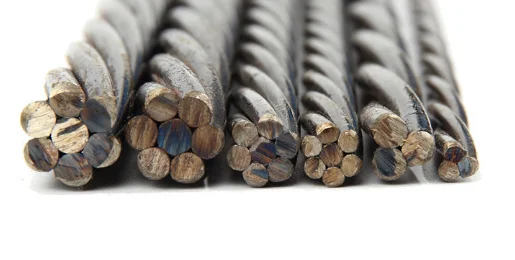
In multinational prestressed concrete structural engineering, the slightest technical details of steel strands often determine the safety of the entire project and the smooth execution of the tensioning process. Today, let's explore a technical parameter that is easily overlooked in international procurement but is absolutely crucial: Lay Direction.
Under different international standards, the requirements for the lay direction of steel strands vary significantly:
US Standard ASTM A416: Typically requires a left-hand lay.
Chinese Standard GB/T 5224: The default standard is a right-hand lay.
British Standard BS 5896: Also has extremely strict and specific regulations regarding lay direction and relaxation.
Why is lay direction so important? The difference in lay direction directly impacts the compatibility of matching anchorage systems and on-site tensioning operations. Failure to align these technical standards during the initial procurement phase can easily lead to construction delays or incur additional compliance costs.
The GLOBAL OVERSEAS Solution: As a professional manufacturer and exporter with 30 years of experience, GLOBAL OVERSEAS deeply understands the stringent technical requirements of cross-border infrastructure projects. We not only provide high-quality PC strands that comply with various international standards like ASTM A416 and BS 5896, but we also precisely control production processes—such as left-hand or right-hand lay—based on your project's specific local technical specifications, ensuring a 100% perfect fit with your anchorage systems.
Whether your project is in anywhere else in the world, a professional supply chain is your guarantee for on-time delivery.
 The Art of Loading Corrugated
 Galvanized Corrugated Ducts &a
 The Difference in Lay Directio
 The Difference in Lay Directio