
Post Tension Anchorage System Guide
Introduction
A post tension anchorage system is a critical component in prestressed concrete construction. It transfers the force from tensioned steel strands into the concrete structure, enabling longer spans, thinner slabs, and improved structural performance.
Anchorage systems are widely used in bridges, buildings, parking structures, water tanks, and other infrastructure projects.
How a Post Tension System Works
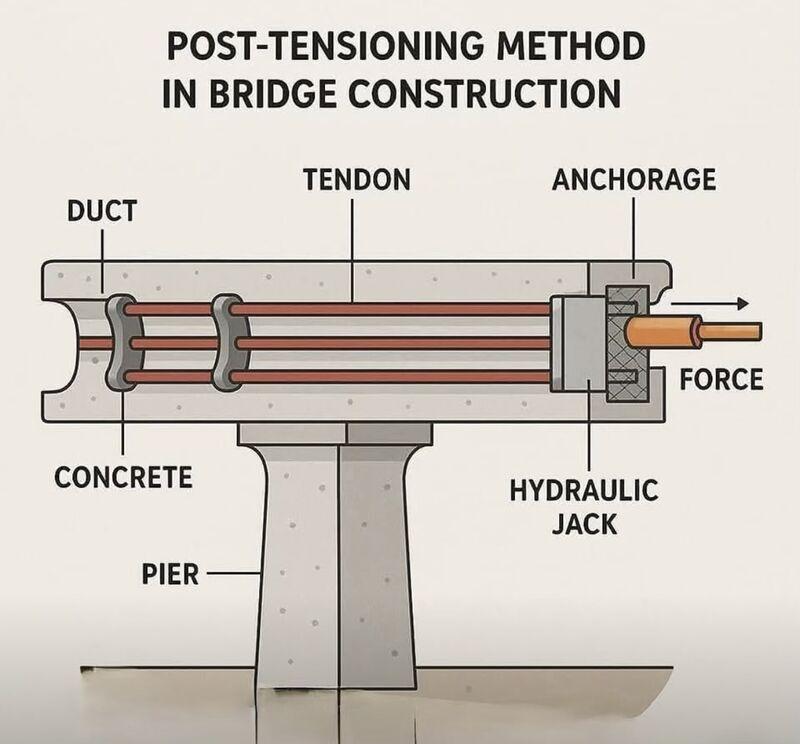
The basic process is:
Steel strands are placed inside ducts or sleeves.
Concrete is poured and allowed to gain sufficient strength.
The strands are tensioned using hydraulic jacks.
The anchorage system locks the strands in place.
The prestressing force is transferred to the concrete.
Main Components of an Anchorage System
Anchor Head
The steel component that holds the wedges and transfers the load to the structure.
Wedges
Small hardened steel pieces that grip the strand when tension is released.
Bearing Plate
Distributes the anchorage force into the surrounding concrete.
Duct or Sleeve
Provides a path for the strands and protects them during construction.
Common Types of Anchorage Systems
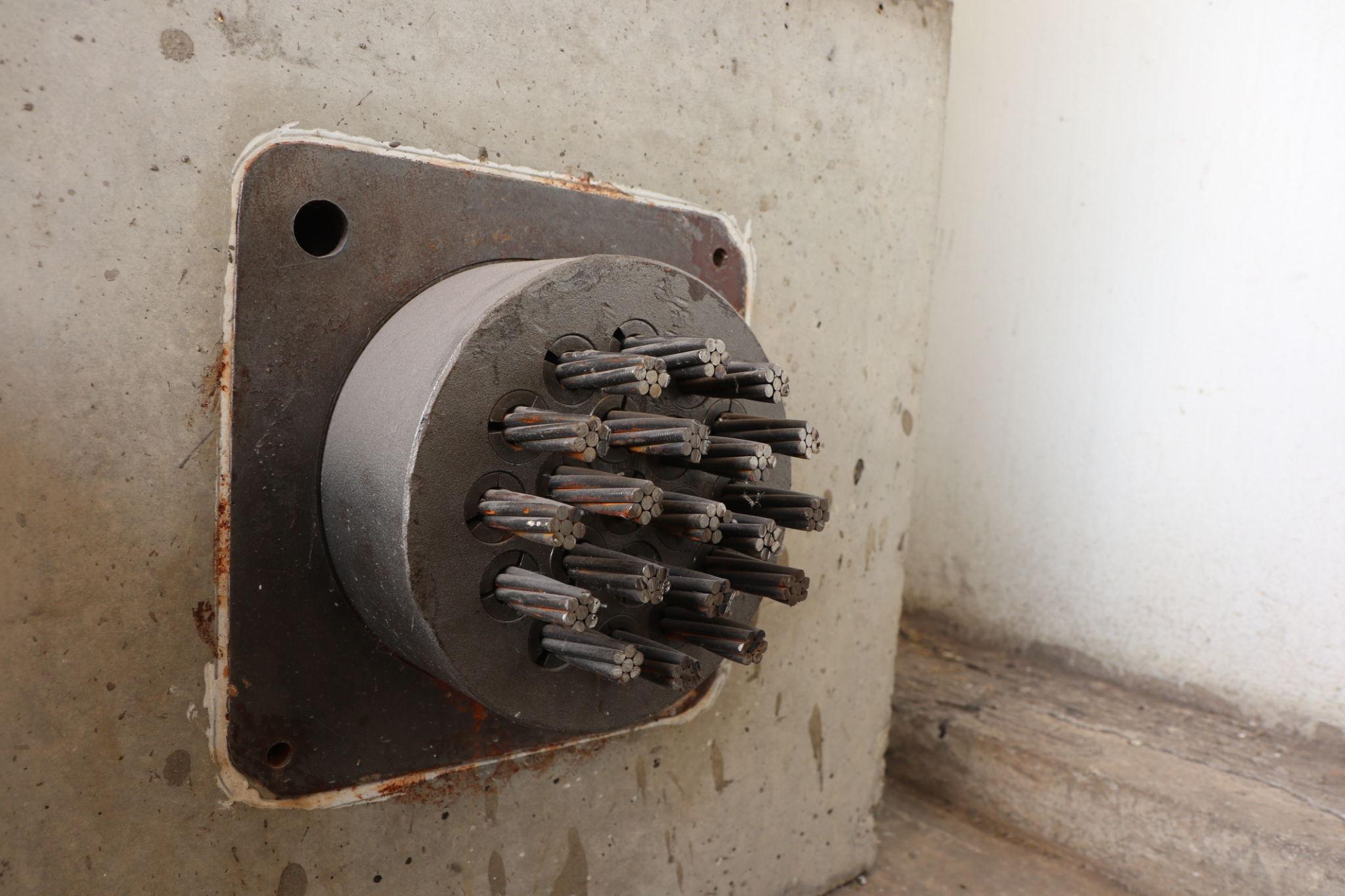
Round Anchor
Used for multiple strands arranged in a circular pattern. Common in bridge and large structural applications.
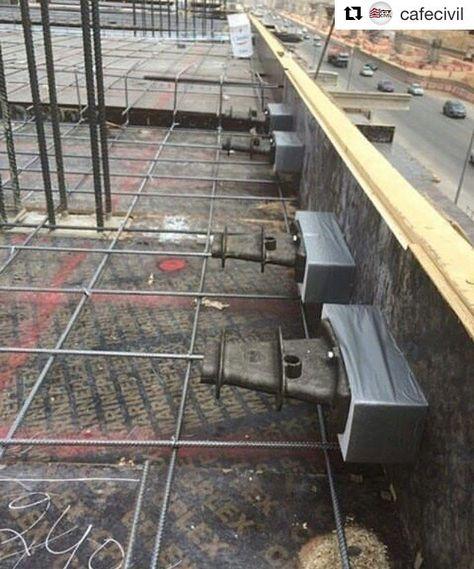
Flat Anchor
Designed for slab construction where space is limited.
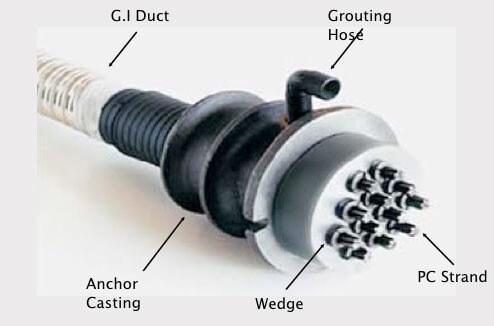
Mono Anchor
Used for single-strand applications and smaller prestressing systems.
Fixed and Live End Anchors
Live end: Allows stressing from that end.
Fixed end: Provides anchorage without stressing access.
Advantages of Post Tension Anchorage Systems
Longer Spans
Reduce the need for intermediate supports.
Thinner Structural Sections
Lower concrete consumption and building weight.
Better Crack Control
Improve durability and serviceability.
Enhanced Load-Carrying Capacity
Suitable for demanding infrastructure projects.
Selection Considerations
When choosing an anchorage system, engineers should evaluate:
Number and diameter of strands
Design prestressing force
Concrete strength
Corrosion protection requirements
Compliance with relevant standards and approvals
Quality and Testing
Reliable anchorage systems are tested for:
Static load capacity
Efficiency coefficient
Fatigue performance
Corrosion resistance (when applicable)
Internationally recognized testing standards help ensure safe and consistent performance.
Conclusion
The post tension anchorage system is the heart of any prestressed concrete structure. Proper selection, installation, and testing are essential for achieving long-term structural reliability. Whether for bridges, buildings, or industrial projects, high-quality anchorage systems play a key role in modern construction.
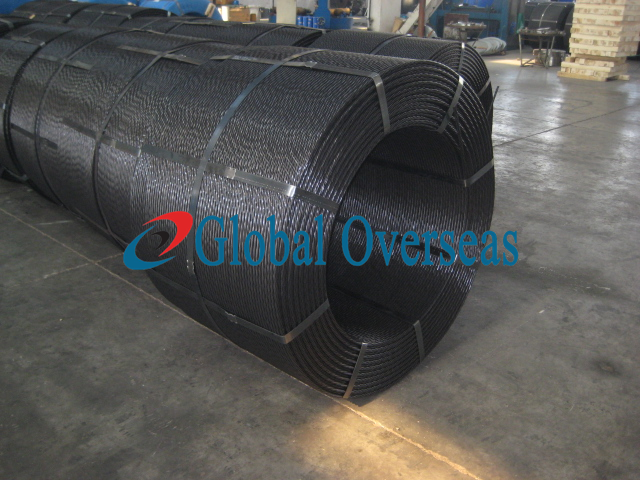 Your 30-Year Expert in PC Stra
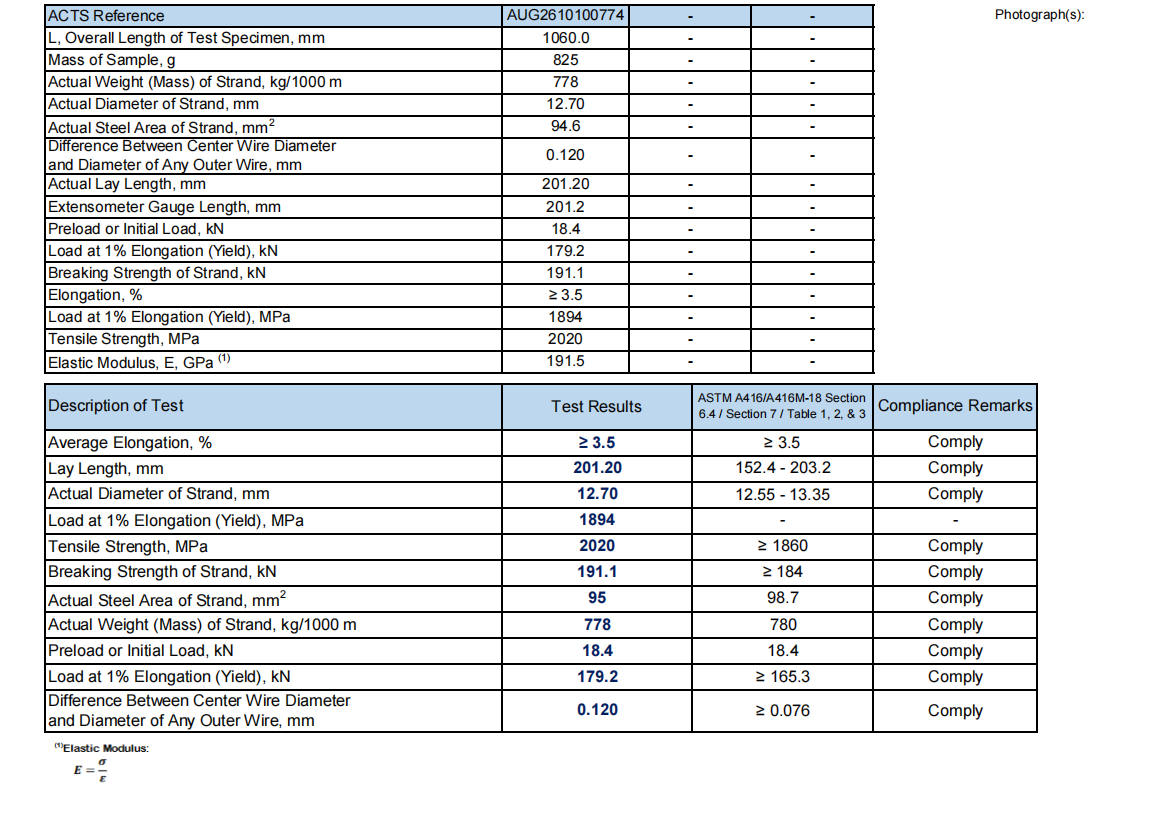 WHY GLOBAL OVERSEAS PC STRAND?
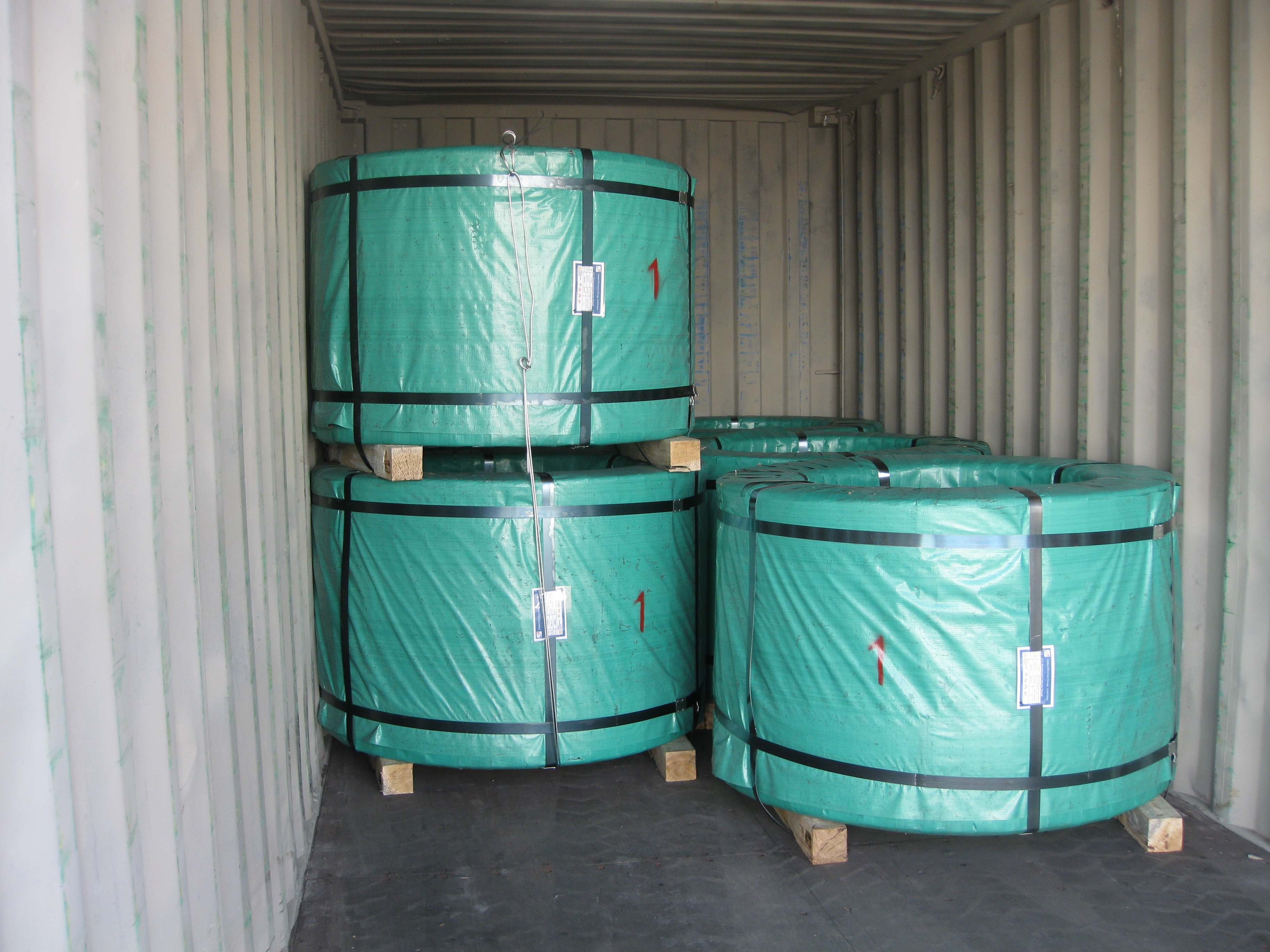 GLOBAL OVERSEAS GROUP Expands
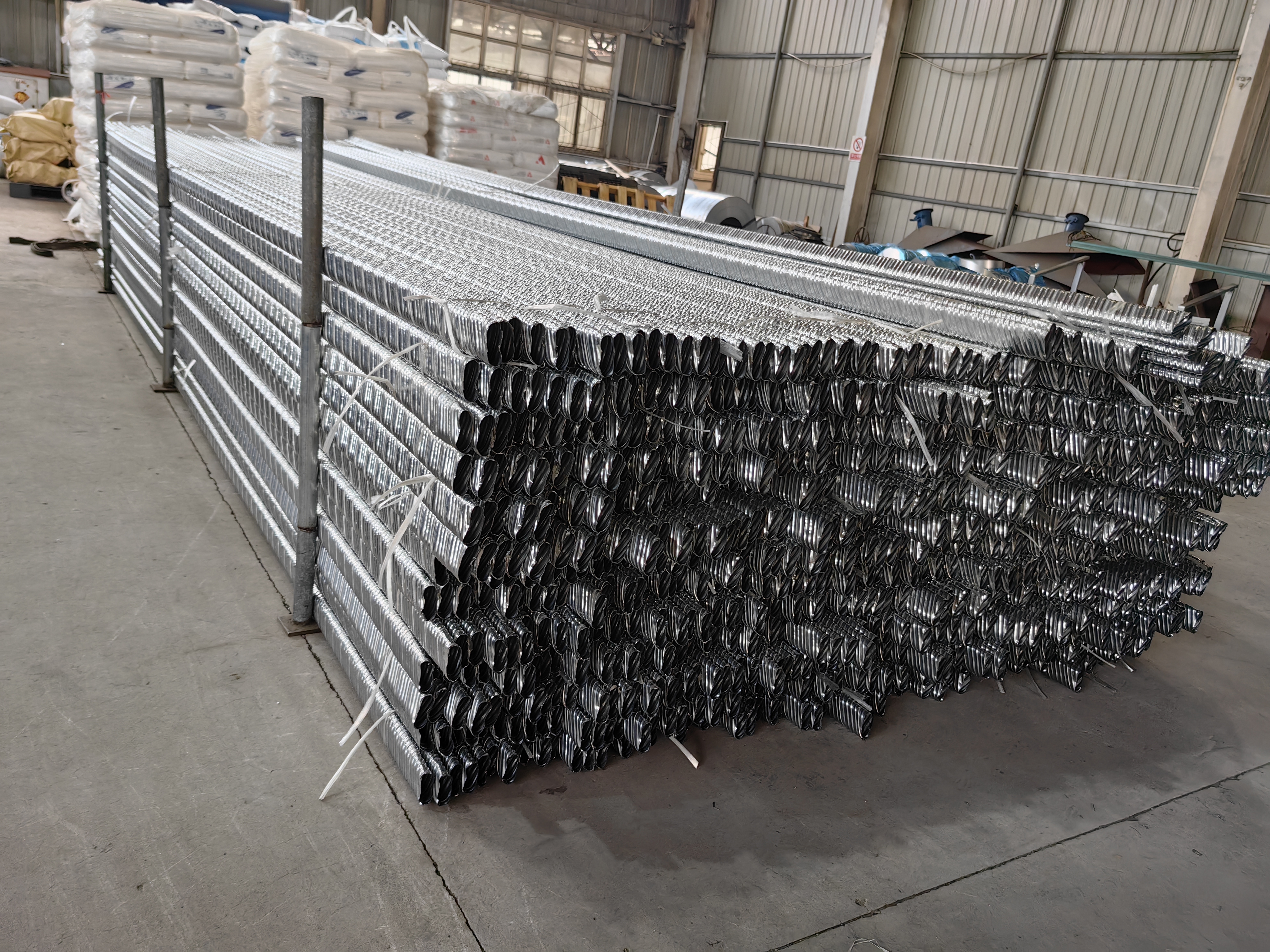 The Art of Loading Corrugated