
PC Strand for Bridge Construction: Requirements and Solutions
Why Bridges Rely on PC Strand?
Concrete is exceptionally strong in compression but relatively weak in tension. In bridge construction, heavy loads create bending forces that can cause traditional reinforced concrete to crack.
PC Strand solves this by applying "pre-stress" to the structure. By tensioning high-strength steel wires before or after the concrete sets, the strand places the concrete under a permanent state of compression. This counteracts the tensile stresses from traffic loads, allowing for:
Longer Spans: Reducing the need for frequent support piers.
Slender Designs: Minimizing the self-weight of the bridge.
Enhanced Durability: Preventing cracks that would otherwise allow moisture to penetrate the structure.
Strict Technical Requirements: Strength & Protection
For bridge engineering, "good enough" doesn't exist. The materials must meet rigorous global standards like ASTM A416, EN 10138, or BS 5896.
Whether you are designing a post-tensioned highway overpass or a complex stay-cable bridge, the foundation of safety lies in the quality of the steel. Global Overseas provides the high-performance PC strand and anchorage solutions required to build structures that last for generations.
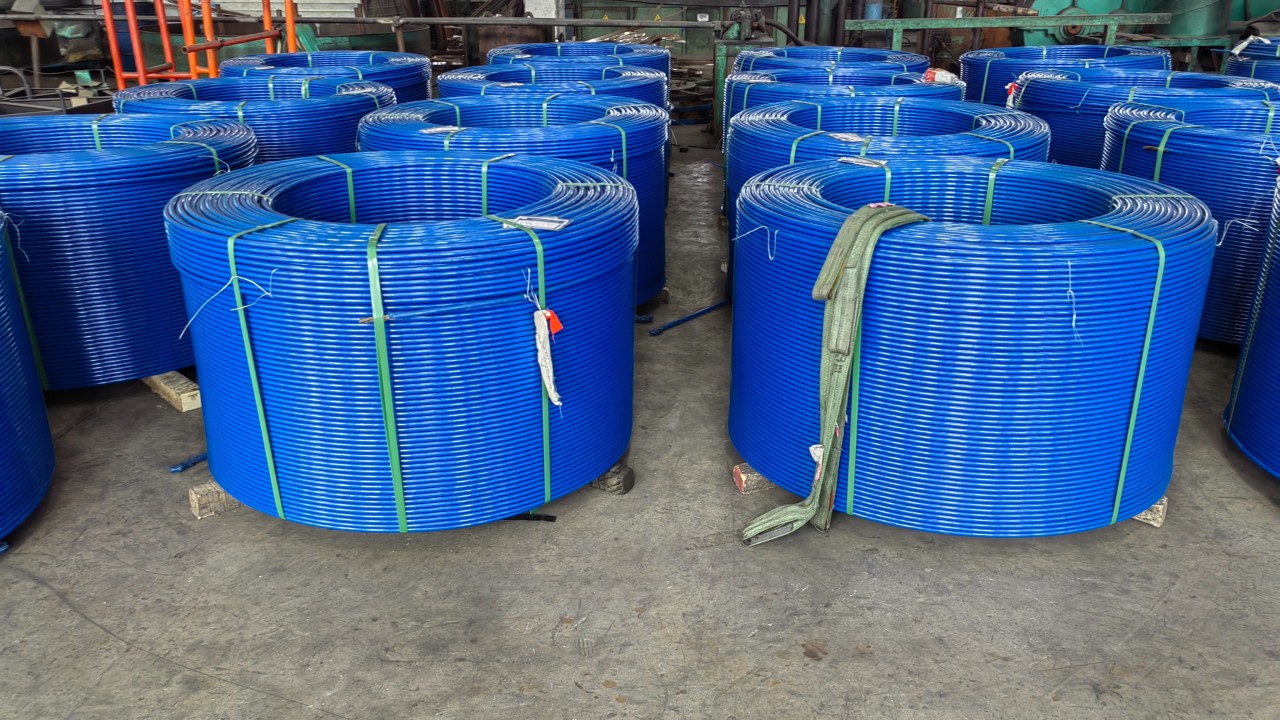 Unbonded vs Bonded PC Strand:
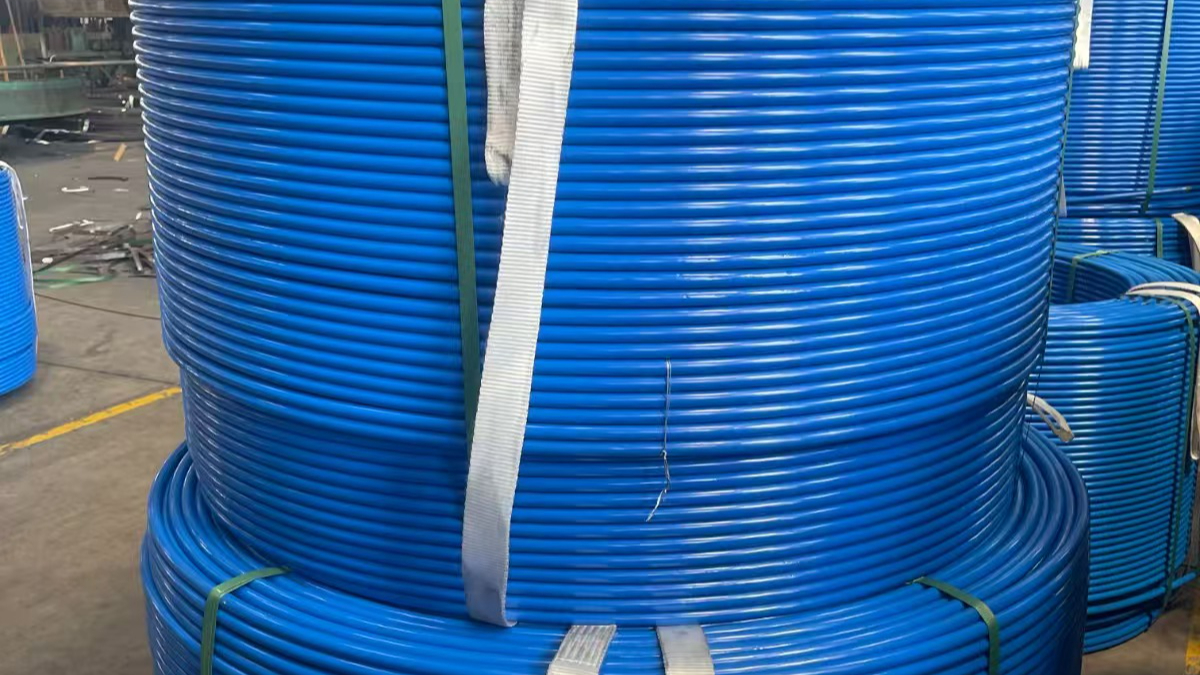 PC Strand for Post-Tension Sla
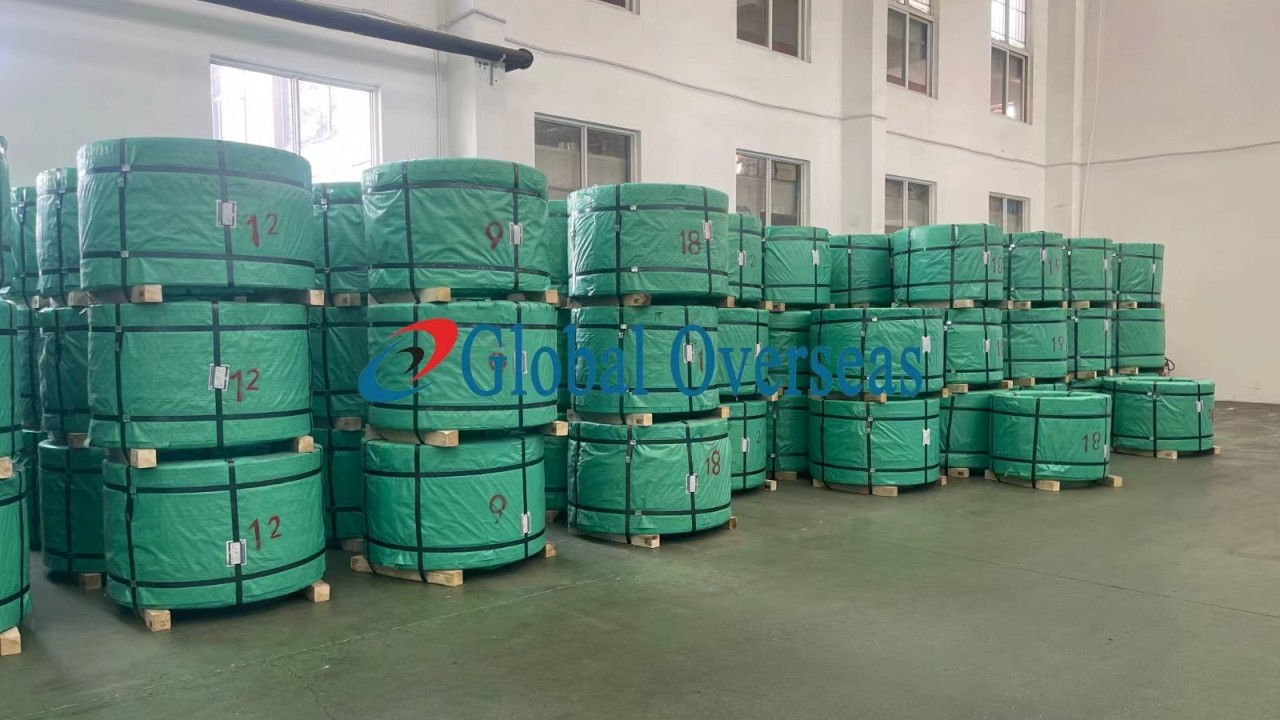 PC Strand for Bridge Construct
 【Maritime Urgent Notice】Middle