
PC Strand for Post-Tension Slab: A Complete Guide
The evolution of modern commercial and residential architecture—characterized by thinner slabs and vast, open floor plans—would be impossible without Post-Tension (PT) technology. At the heart of this system is the PC Strand, a high-strength steel component that redefines the structural limits of concrete.
Why Post-Tensioning for Slabs?
Unlike traditional rebar-reinforced slabs, PT slabs use high-strength steel strands that are tensioned after the concrete has achieved sufficient strength. This creates a "clamping force" that offers several architectural advantages:
Deflection Control: PT allows for thinner slabs (typically 20%–30% thinner), which reduces the overall building height and saves on concrete and rebar costs.
Larger Spans: By eliminating the need for internal columns, PT slabs create flexible, open spaces ideal for parking garages, offices, and luxury apartments.
Crack Mitigation: The permanent compression force significantly reduces surface cracking, leading to lower maintenance costs and better aesthetics.
Technical Requirements for PT Slabs
In slab construction, the most common specification is the 12.7mm (0.5") Seven-Wire Low Relaxation Strand. However, the environment dictates the technical standard:
Standard Compliance: For North American projects, ASTM A416 Grade 270 is the benchmark. In other regions, BS 5896 or EN 10138 may apply.
Unbonded vs. Bonded Systems: * Unbonded (Greased & Slipped): Predominant in residential and commercial slabs. The strand is coated in a corrosion-inhibiting grease and encased in a high-density polyethylene (HDPE) sheath.
Bonded: Often used in heavy-duty industrial slabs or bridges where the strand is grouted into a metal or plastic duct.
Low Relaxation (Relaxation ≤ 2.5%): Ensures that the prestressing force remains constant over the building's 50+ year lifespan.
Common Field Challenges & "Invisible" Risks
PT slab projects often face technical hurdles that can lead to costly delays or structural concerns:
Sheath Damage: Small tears in the HDPE sheath during installation can allow moisture to reach the steel, leading to localized corrosion.
Tensioning Variances: Inconsistent elongation during the stressing phase often stems from strands with uneven elastic moduli (E-modulus).
Anchorage "Seating" Loss: If the wedge and anchor head don't match the strand diameter perfectly, excessive seating loss can reduce the effective prestress force.
Engineering Solutions: The Professional Edge
To ensure the safety and longevity of a PT slab, the choice of material supplier is as critical as the engineering design. Our approach focuses on Precision and Protection:
1. Integrated Extrusion Excellence
We control the entire process of applying the 100% HDPE without any recycled material sheath and branded grease. By ensuring a uniform coating thickness 1.0mm -1.25mm and high-quality lubricant, we minimize friction during tensioning, allowing for more accurate elongation results on-site.
2. Advanced Anchorage Compatibility
A PC strand is only as good as its connection. We provide a complete system—strands, wedges, and anchor heads—tested together to ensure an Efficiency Coefficient that exceeds international standards. This "system-first" approach prevents slippage during the critical stressing phase.
3. Strategic Logistics for "Just-in-Time" Delivery
Slab pours are time-sensitive. We leverage our experience in international logistics—handling everything from customs clearance to moisture-proof packaging—to ensure your PT materials arrive on-site in "factory-fresh" condition, free from flash rust or mechanical damage.
Conclusion
Post-tensioning is the convergence of high-strength materials and precision engineering. For developers and contractors, the choice of PC strand determines the building’s longevity. Global Overseas provides the technical rigor and supply chain transparency needed to build higher, longer, and safer.
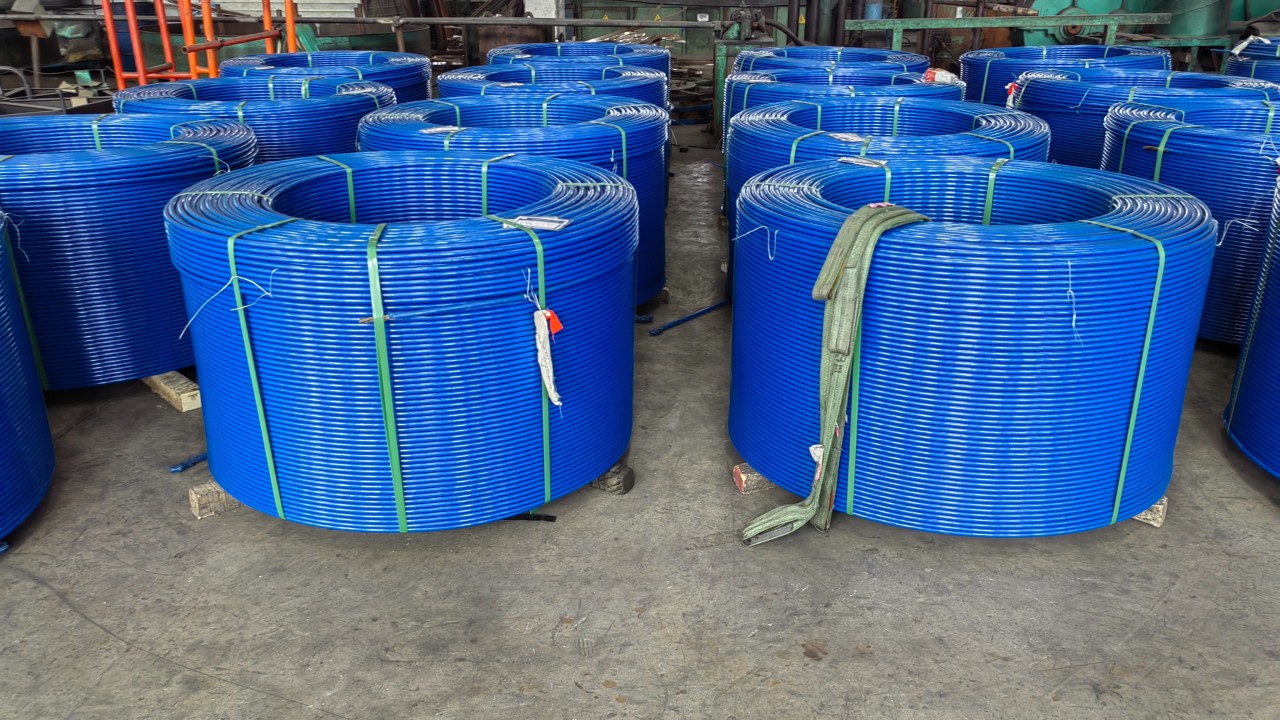 Unbonded vs Bonded PC Strand:
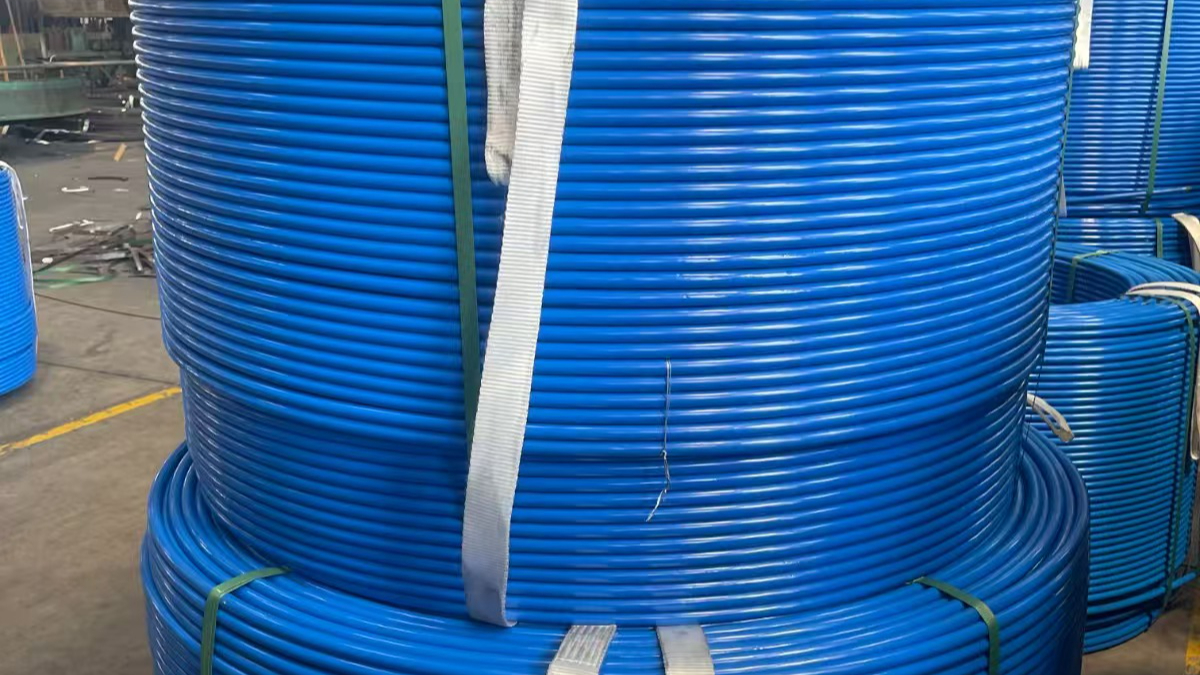 PC Strand for Post-Tension Sla
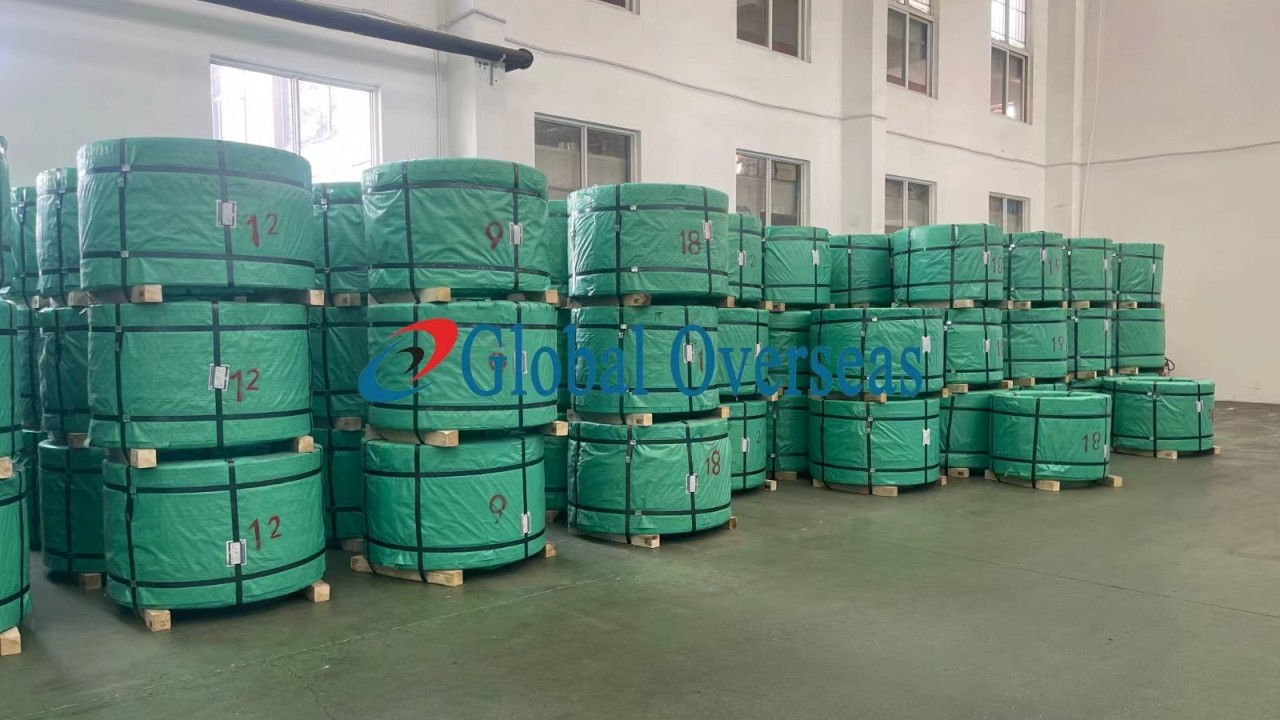 PC Strand for Bridge Construct
 【Maritime Urgent Notice】Middle