
What are the main differences between ASTM A416 and EN 10138 standards for prestressed concrete strands?
The main differences between ASTM A416 and EN 10138 are reflected in nominal diameter tolerances, relaxation classification, and minimum breaking load requirements.
Nominal diameter tolerance:
EN 10138 generally requires tighter control of diameter tolerances compared with ASTM A416, which allows slightly wider manufacturing variation.
Relaxation classification (Class 1 vs. Class 2):
EN 10138 clearly distinguishes between Class 1 (normal relaxation) and Class 2 (low relaxation) strands. ASTM A416, in practice, mainly focuses on low-relaxation strand but does not emphasize the class concept as explicitly as EN standards.
Minimum breaking load (MBL):
For the same nominal diameter, EN 10138 often specifies a higher minimum breaking load than ASTM A416, reflecting a more conservative structural requirement.
These differences highlight the stricter dimensional and performance control commonly associated with EN standards.
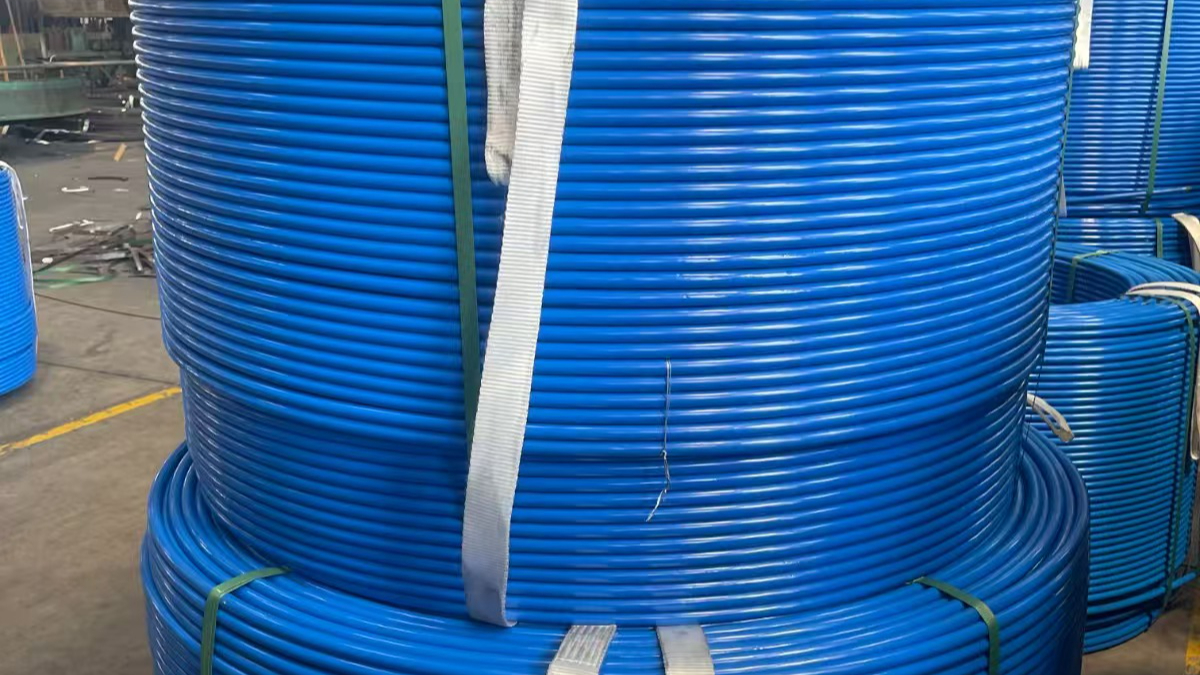
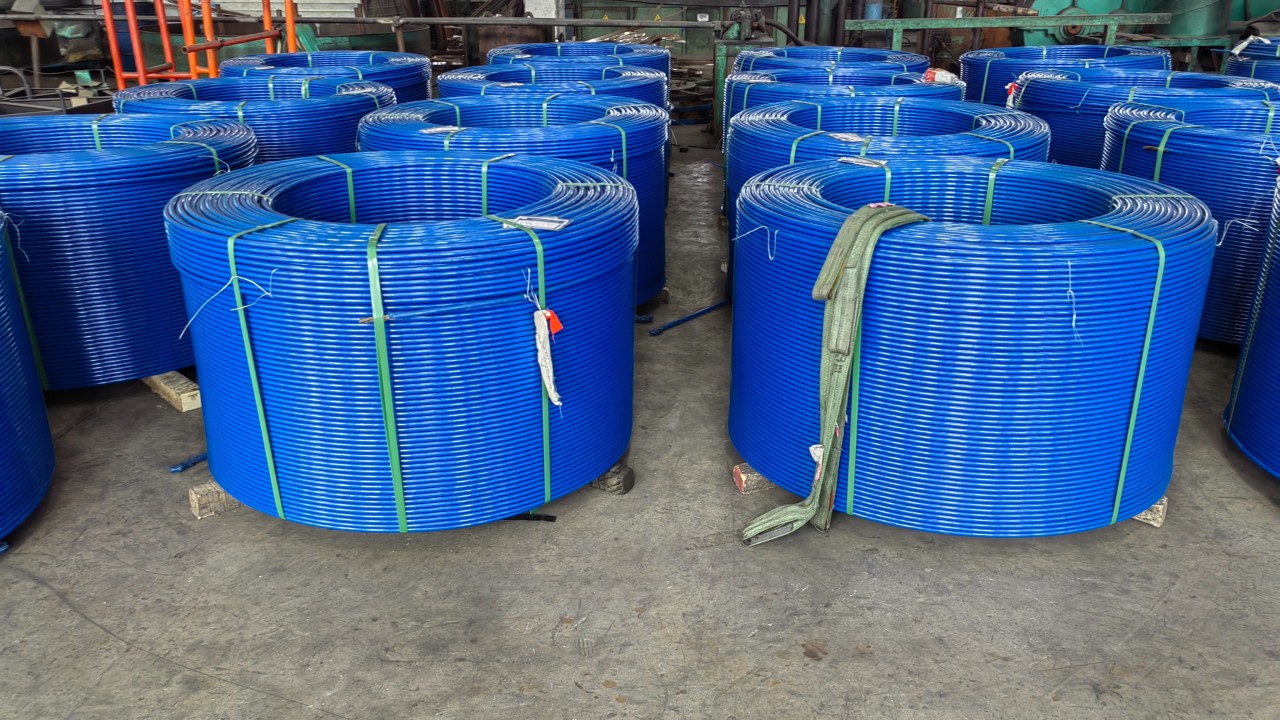 Unbonded vs Bonded PC Strand:
 PC Strand for Post-Tension Sla
 PC Strand for Bridge Construct
 【Maritime Urgent Notice】Middle