
What is the difference between ASTM A416 and BS5896?
When sourcing prestressed concrete (PC) strand for international projects, two of the most commonly referenced standards are ASTM A416 (USA) and BS 5896 (UK). While both define requirements for high-strength, low-relaxation prestressing strand, there are important technical differences that engineers and buyers must understand.
1. Standard Origin and Application Scope
ASTM A416 Widely used in North America, the Middle East, and parts of Asia. Common in bridge, highway, and large-scale infrastructure projects.
BS 5896 Primarily used in the UK, Europe, and Commonwealth countries. Frequently specified in building construction and post-tensioning systems.
2. Strength Grades and Classification
One of the main differences lies in how strength is categorized.
ASTM A416 Grade 250 (≈ 1720 MPa) Grade 270 (≈ 1860 MPa)
BS 5896 Typically 1770 MPa Typically 1860 MPa
3. Relaxation Requirements
Relaxation performance is critical for long-term prestress retention.
ASTM A416 Defines low-relaxation (LR) and stress-relieved (SR) strands Specifies maximum relaxation limits under defined conditions
BS 5896 Focuses primarily on low-relaxation strand Typically requires stricter relaxation control in practice .
4. Mechanical Property Requirements
Both standards define:
Minimum breaking load
Yield strength (or proof stress)
Elongation
However, there are subtle differences:
ASTM A416 Emphasizes breaking strength and elongation Uses specific test methods common in US standards
BS 5896 Places more structured emphasis on 0.1% proof stress May require tighter control in elongation uniformity
5. Diameter and Tolerance
ASTM A416 Defines nominal diameters such as 12.7 mm (0.5”) and 15.24 mm (0.6”) Uses inch-based system
BS 5896 Uses metric system (12.9 mm, 15.7 mm) Slight dimensional differences may affect anchorage compatibility6.ent risks.
6. Testing and Inspection
Both standards require:
Tensile testing
Relaxation testing
Dimensional inspection
Differences include:
ASTM A416 Test procedures aligned with ASTM system Widely recognized in global trade
BS 5896 Often integrated with EN-related inspection practices May involve additional documentation requirements in some projects
7. Practical Selection Considerations
When choosing between ASTM A416 and BS 5896, buyers should consider:
Project specification requirements
Anchorage system compatibility
Local engineering codes
Client or consultant preference
8. Global Supply Perspective
Suppliers like Global Overseas are capable of producing PC strand compliant with both ASTM A416 and BS 5896 standards.
This allows clients to benefit from:
Flexible specification matching
Stable quality across standards
Support for international projects
Conclusion
While ASTM A416 and BS 5896 both define high-performance prestressed concrete strand, they differ in:
Strength classification systems
Relaxation requirements
Diameter standards
Testing approaches
Understanding these differences is essential for avoiding specification mismatches and ensuring project safety.
For international buyers, working with a supplier experienced in both standards—such as Global Overseas—can significantly reduce technical and procurement risks.
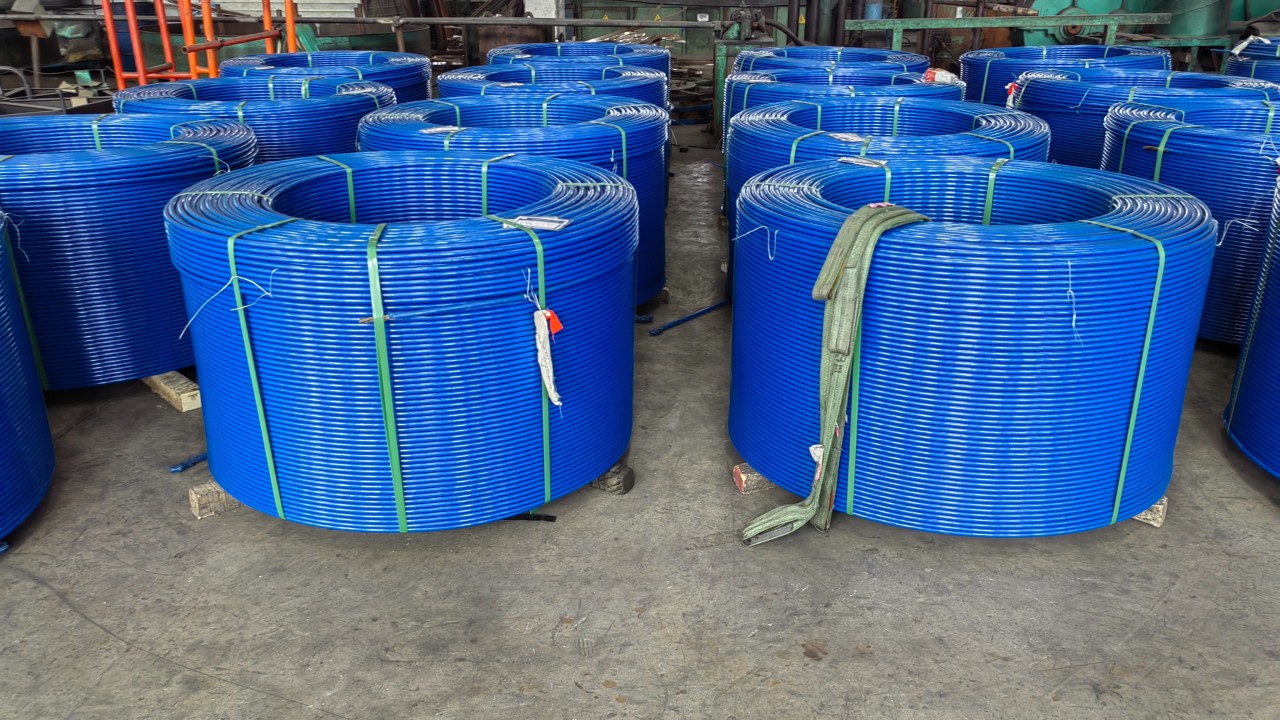 Unbonded vs Bonded PC Strand:
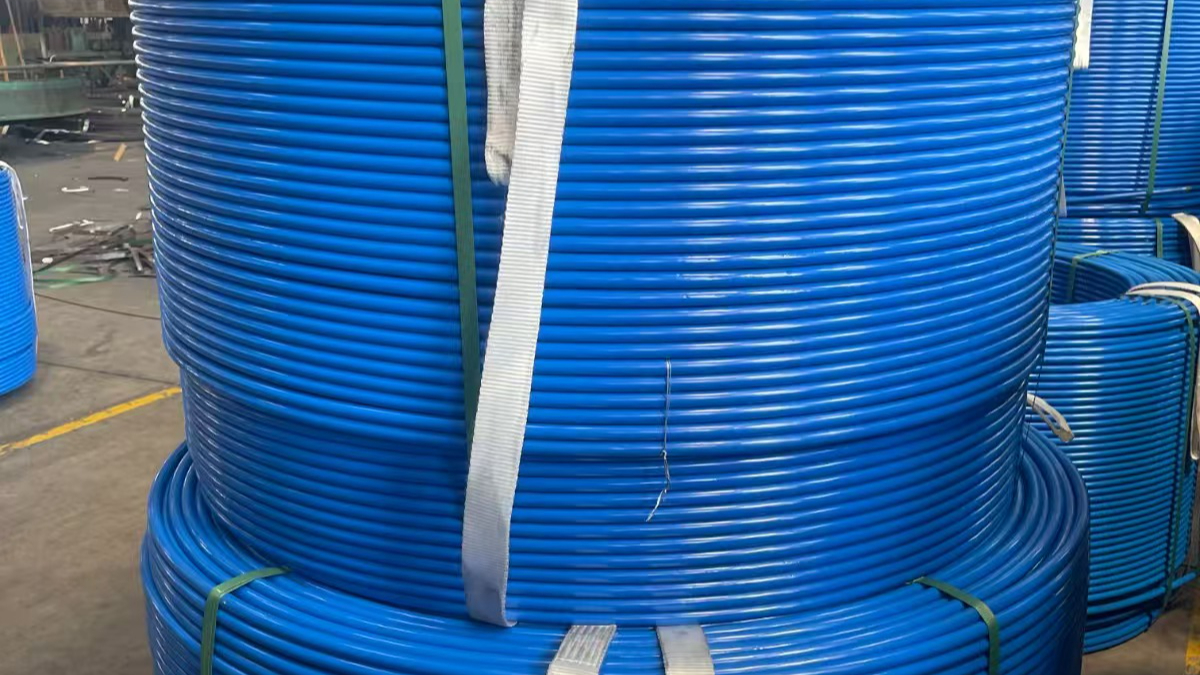 PC Strand for Post-Tension Sla
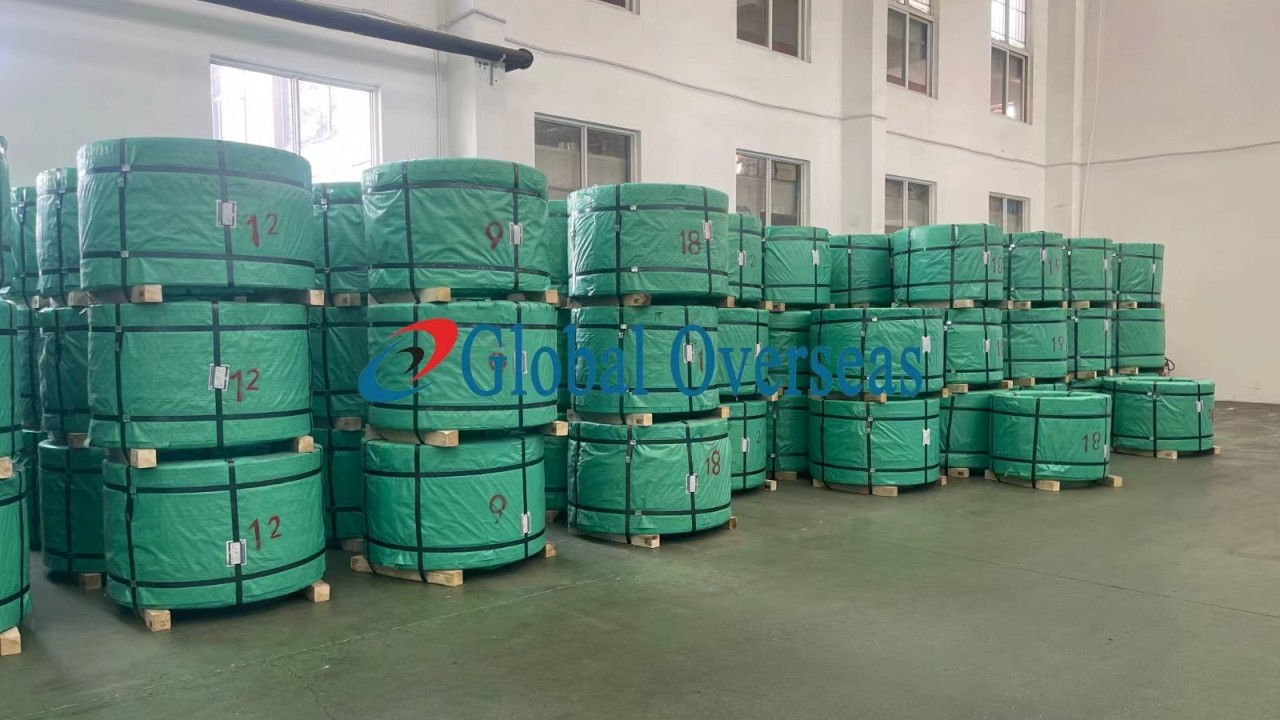 PC Strand for Bridge Construct
 【Maritime Urgent Notice】Middle