
How to Choose a Reliable PC Strand Supplier
Choosing a reliable Pre-stressed Concrete strand supplier in 2026 requires looking beyond just the price per ton. As global infrastructure projects demand higher performance and longer lifespans, your selection process should focus on technical precision, regulatory compliance, and logistical transparency.
Here is a guide to navigating the selection process effectively.
1. Verify Strict Compliance with Global Standards
In 2026, compliance is non-negotiable. A reliable supplier must provide documentation that their strands meet specific international standards depending on your project's region:
ASTM A416 (USA/International): The benchmark for 7-wire uncoated strands. Ensure the supplier understands nuances like the standard left-hand lay requirement for these strands.
BS 5896 (UK/Europe): Specific to high-tensile steel wire and strand.
AS/NZS 4672 (Australia/Oceania): Requires specific registration and auditing by local bodies like TMR (Transport and Main Roads).
GB/T 5224 (China): Common for domestic Chinese projects, often defaulting to a right-hand lay.
2. Evaluate Mechanical Integrity Over Aesthetics
A common mistake is choosing a supplier based on the "shininess" of the wire. High-quality strands are often matte due to mechanical descaling, which is more eco-friendly and provides better bonding. Instead, focus on these mechanical KPIs:
Tensile Strength: Ensure they consistently hit 1860 MPa (or 1960 MPa for extreme loads).
Relaxation Value: Look for "Low Relaxation" (LR) strands to ensure long-term structural tension.Better showing 1000h low relaxation Actual test report .
Ductility & Elongation: Standard requirements typically demand ≥3.5% elongation before fracture to ensure safe, predictable failure modes.
3. Audit Quality Control & Traceability
A "commodity vendor" sells steel; a "reliable partner" sells peace of mind. Your supplier should offer:
Mill Test Reports (MT): These should be provided for every single batch, detailing chemical composition and mechanical test results.
Raw Material Sourcing: Verify if they use high-carbon wire rods (like SWRH82B) which ensure stability through metallurgical balance.
4. Assess Logistical Expertise and Customs Knowledge
In the current shipping climate, a supplier's job doesn't end at the factory gate. Reliability is also measured by their ability to navigate international trade hurdles:
Customs Mastery: Ask about their experience with specific ports to minimize delays.
5. Review Market Reputation and Technical Support
Reliable suppliers in 2026 act as technical consultants.
Project Experience: Have they supplied to "Mega Projects" like long-span bridges or high-rise foundations?
Financial Stability: Ensure the company has the longevity to honor long-term supply contracts.
Technical Guidance: A good supplier can advise on the best loading capacity .
Choosing a reliable PC strand supplier is, at its core, choosing a long-term commitment to engineering safety. With 30 years of professional manufacturing and export expertise, Global Overseas has established a solid reputation within the global prestressing industry. We not only strictly adhere to international standards such as ASTM A416 and BS 5896 but also possess a deep understanding of every technical nuance—from raw material selection to final product testing.
In the ever-changing global market of 2026, we remain committed to a technology-driven and quality-centric approach, providing the most stable support for global infrastructure development. Regardless of your project's location, Global Overseas leverages its mature supply chain and profound industry heritage to deliver precise, efficient, and highly competitive solutions.
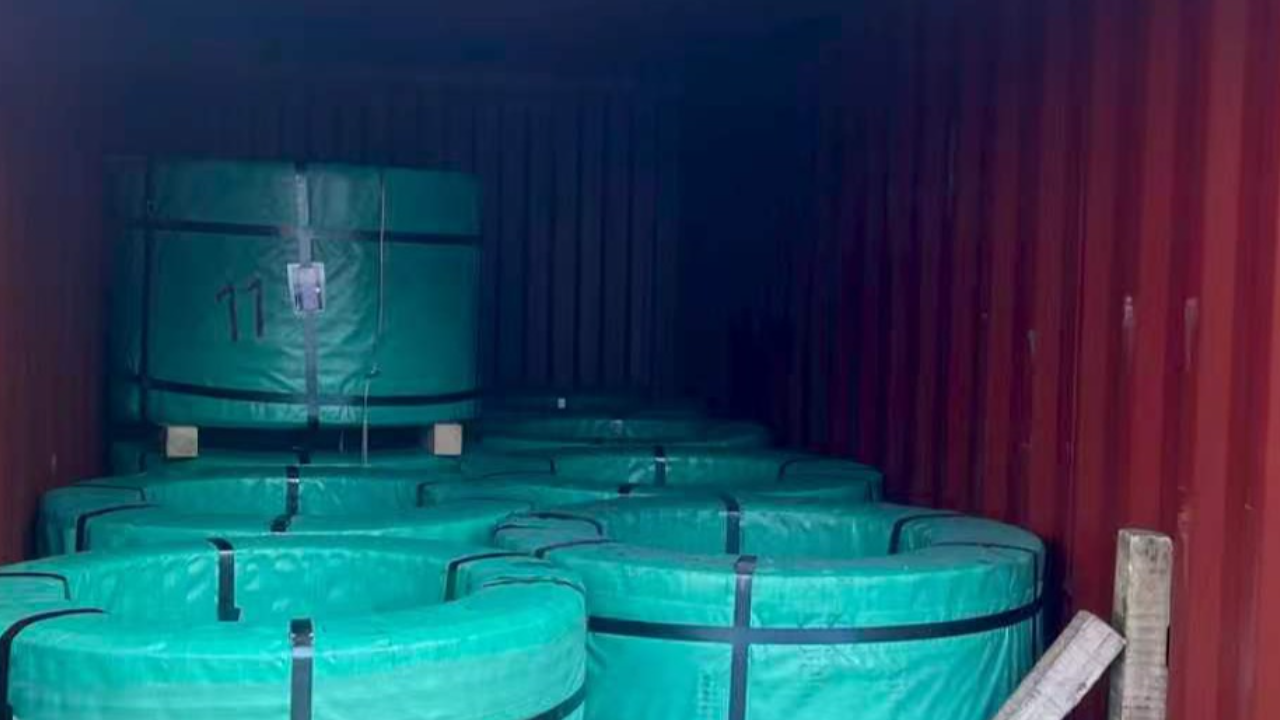 How to Choose a Reliable PC St
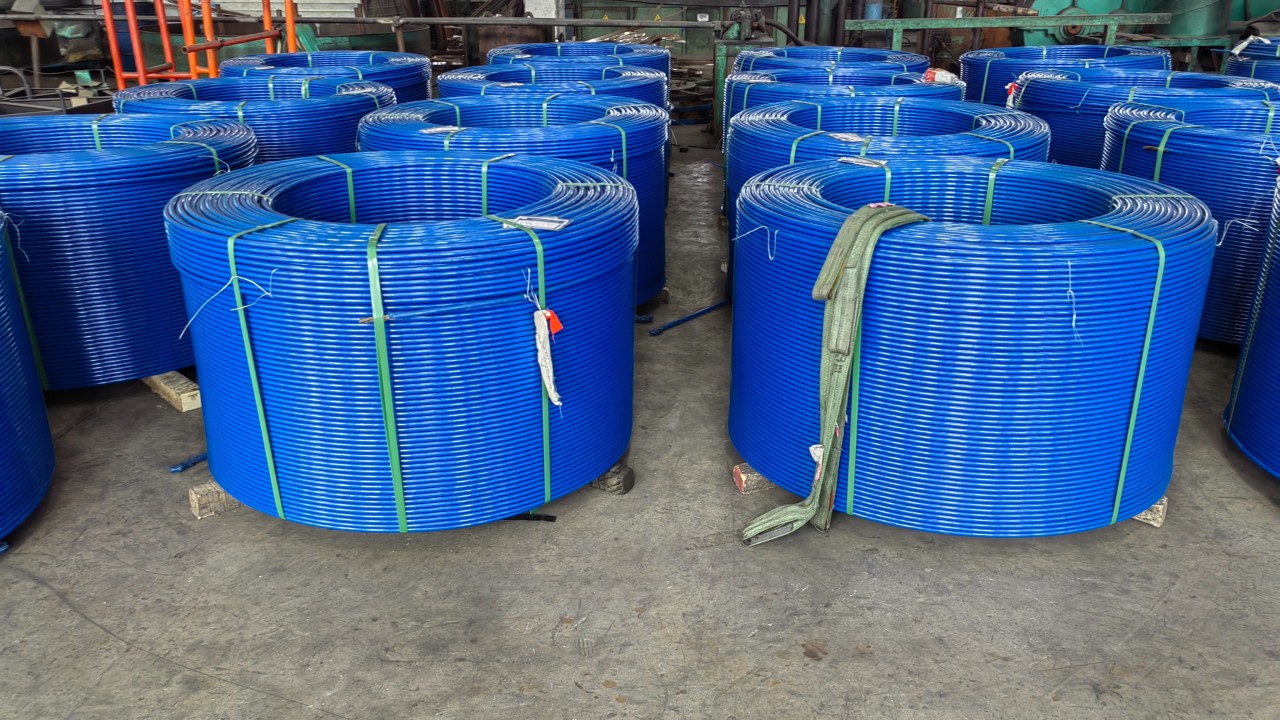 Unbonded vs Bonded PC Strand:
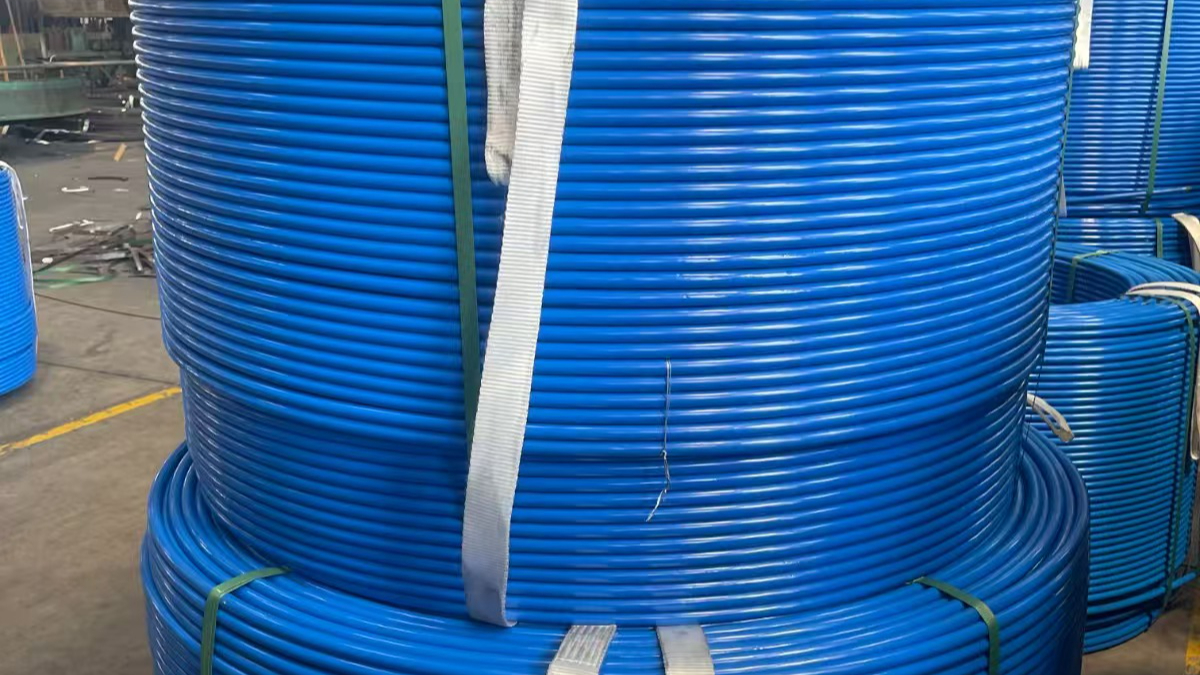 PC Strand for Post-Tension Sla
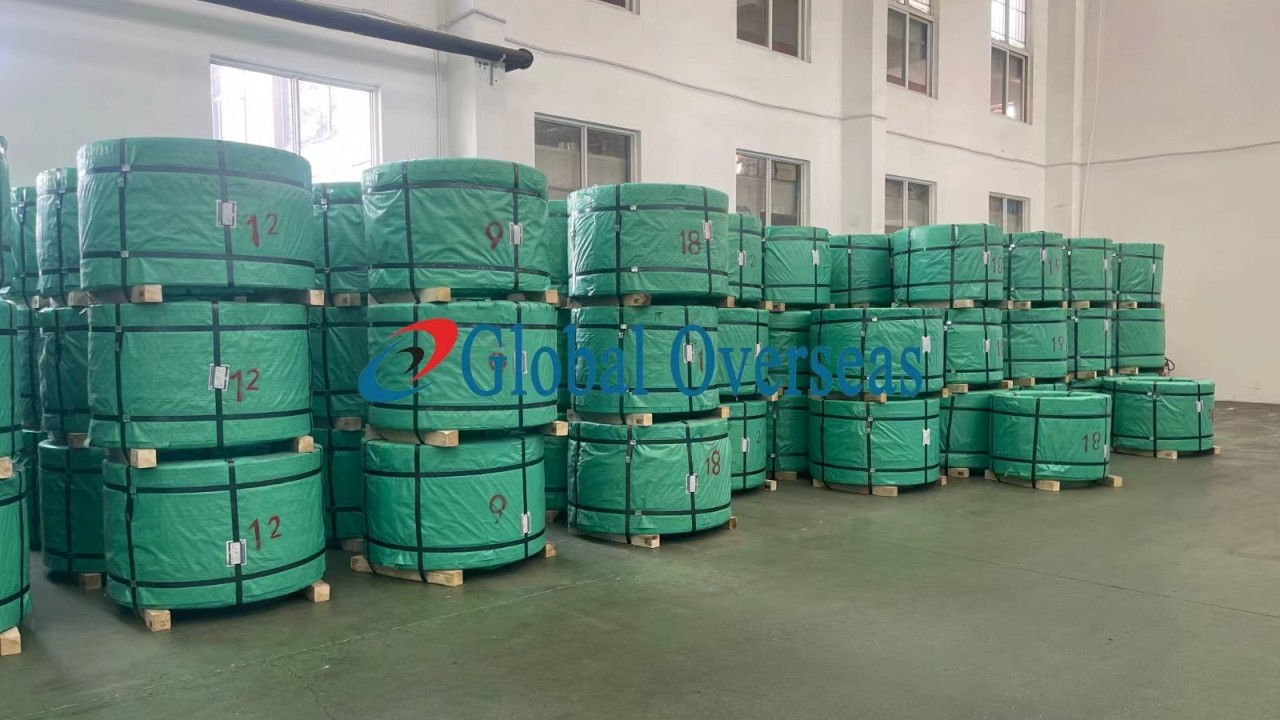 PC Strand for Bridge Construct