
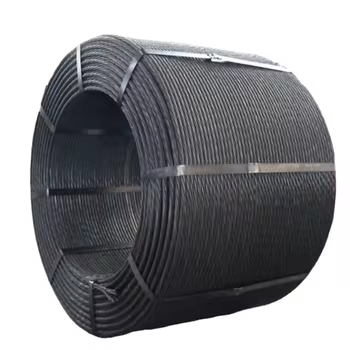
 Prestressed Concrete Strand
Product catalogue
Prestressing steel products & systems
Complete range of prestressing steel strand, wire, anchorage systems and post-tension equipment.
01 — Strand
Prestressed Concrete Strand
Prestressed Concrete Strand
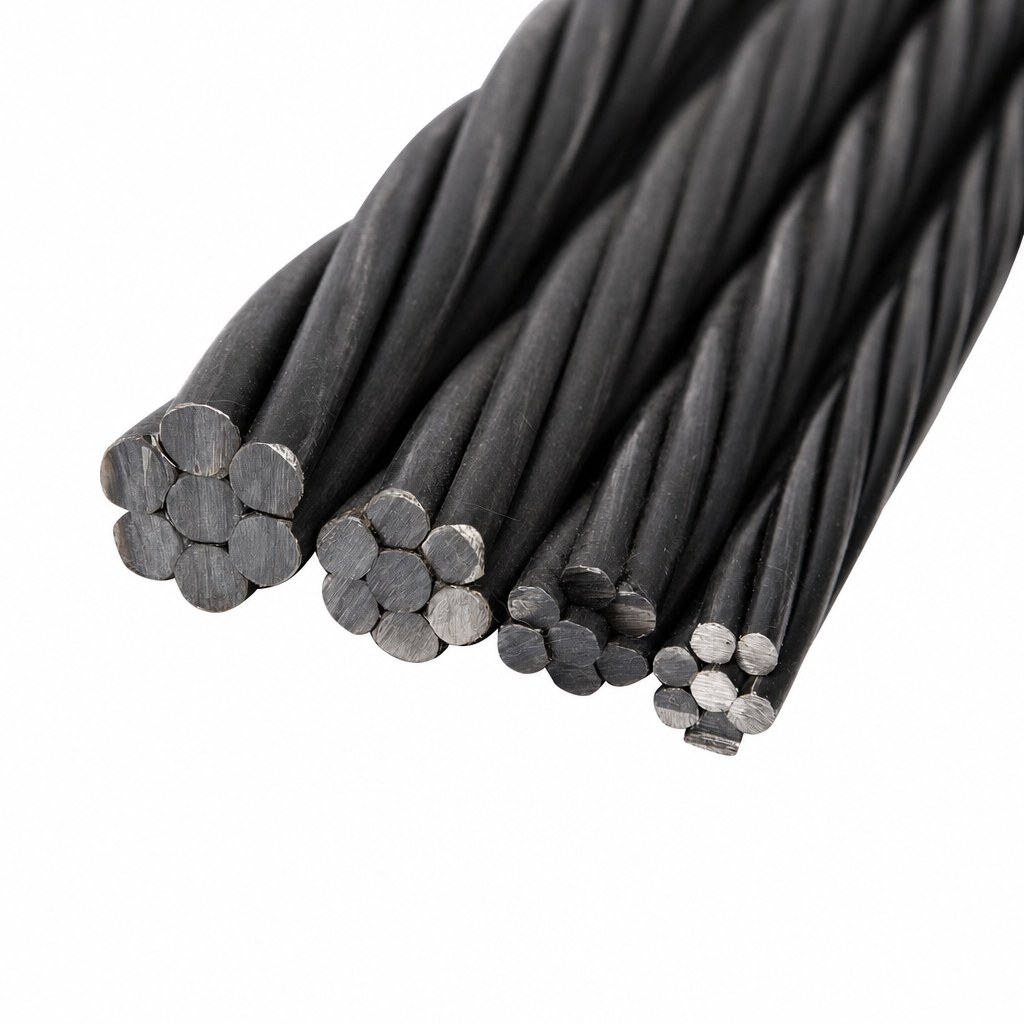 Prestressed Concrete Strand
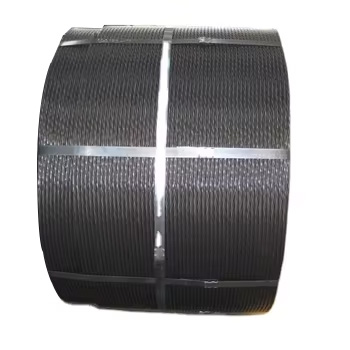 Prestressed Concrete Strand
02 — Wire
PC Wire
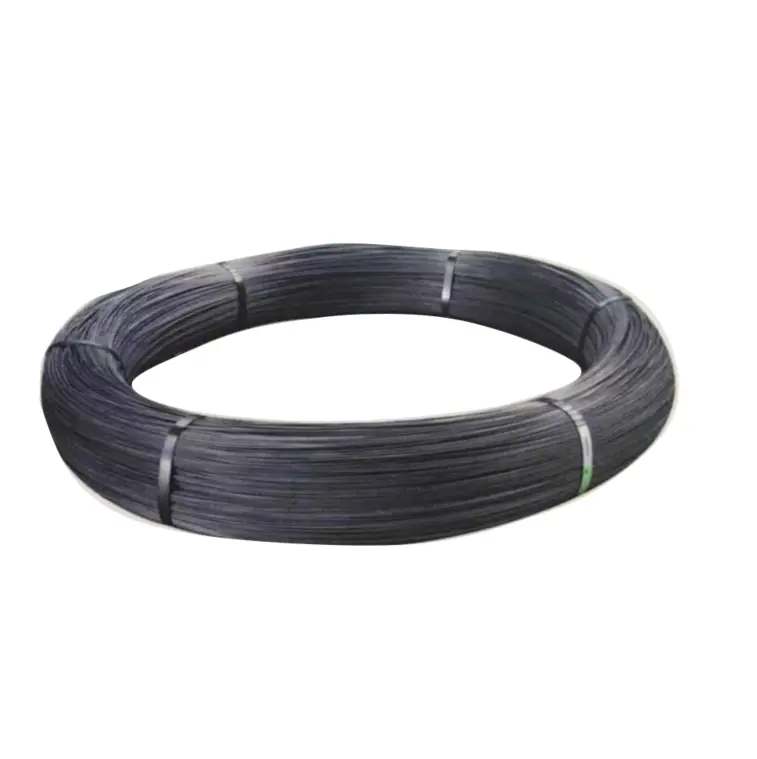 PC Wire
03 — Unbonded
Unbonded Strand
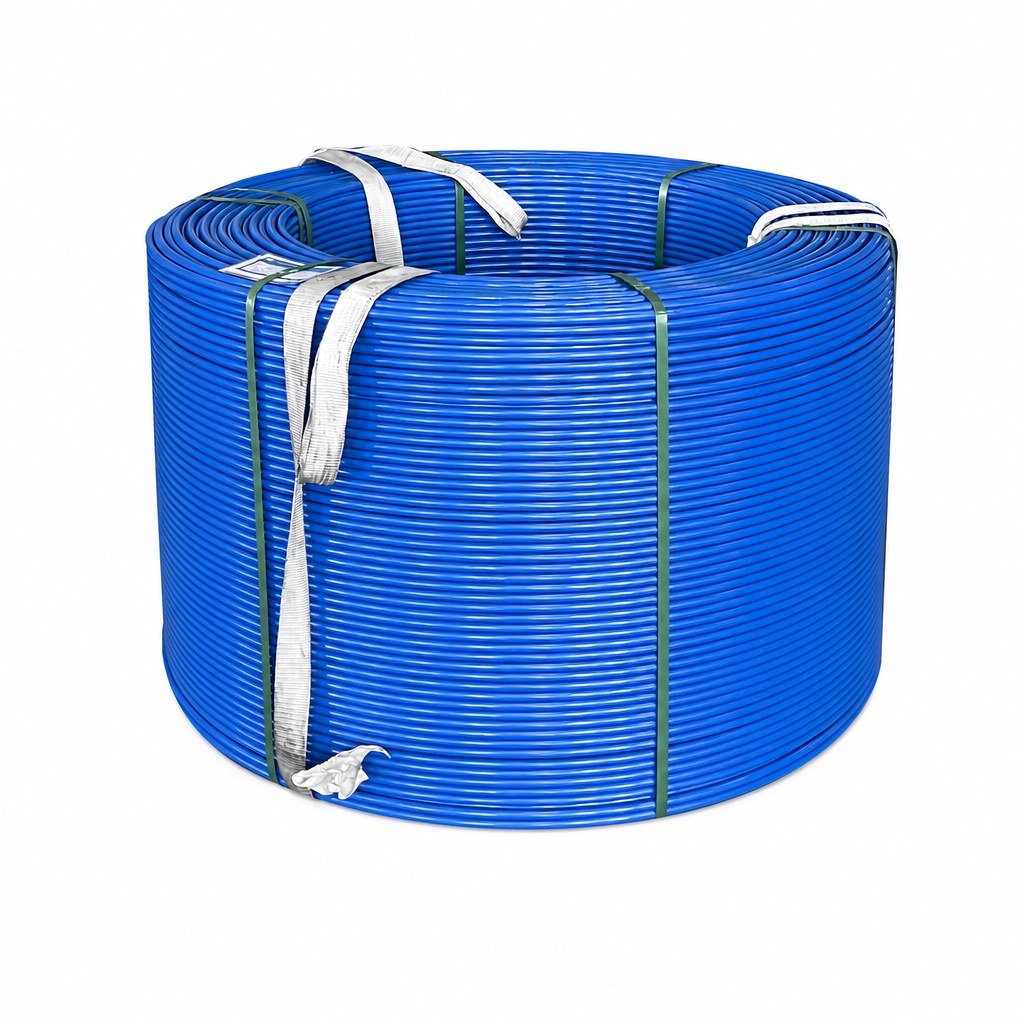 Unbonded Strand
Unbonded PC Strand for Post Tension System
Grease Coated and PE Sheathed Unbonded Strand
View details04 — Anchorage
Anchorage
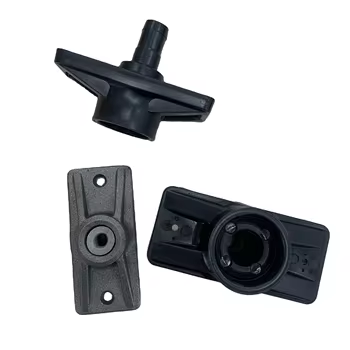 Anchorage
Plastic Mono Flat Anchor for Post Tension System
Professional Mono Flat Anchor Manufacturer
View details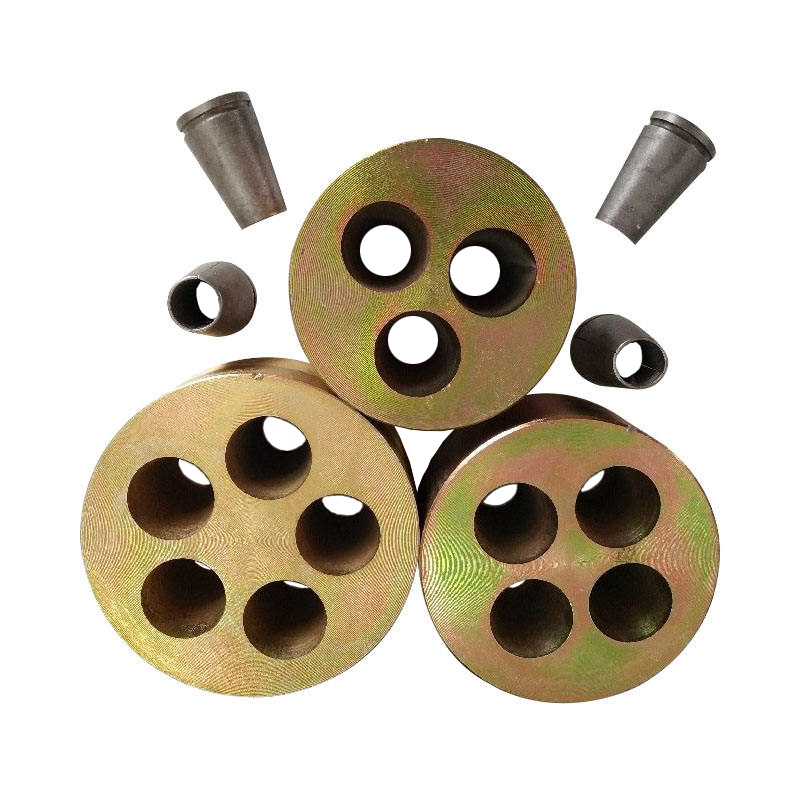 Anchorage
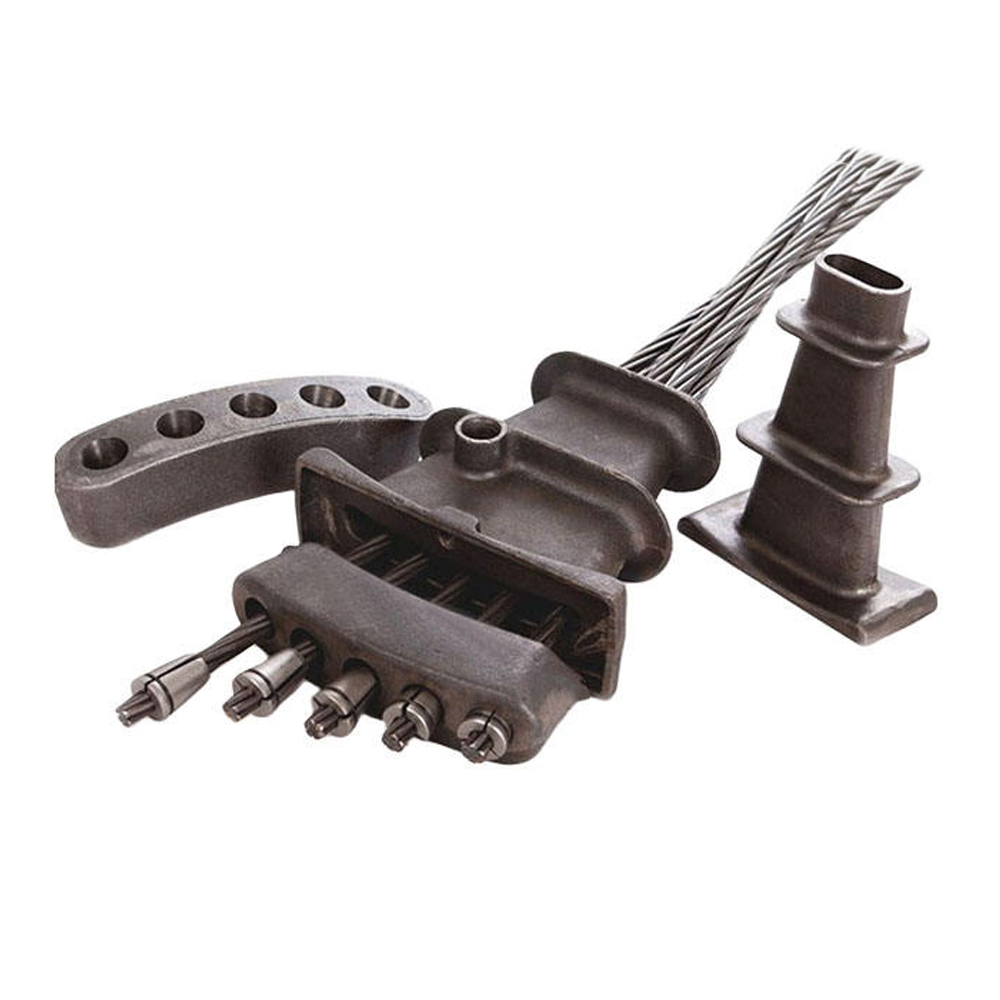 Anchorage
Banana Flat Anchor for Post Tension System
Professional Post Tension Flat Anchor Manufacturer
View details05 — Equipment
Equipment
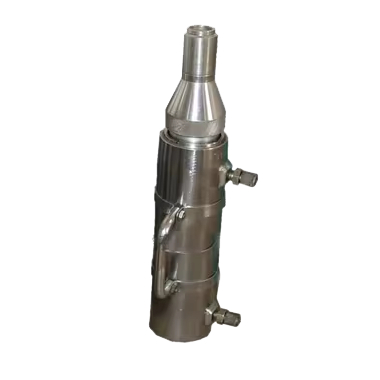 Equipment
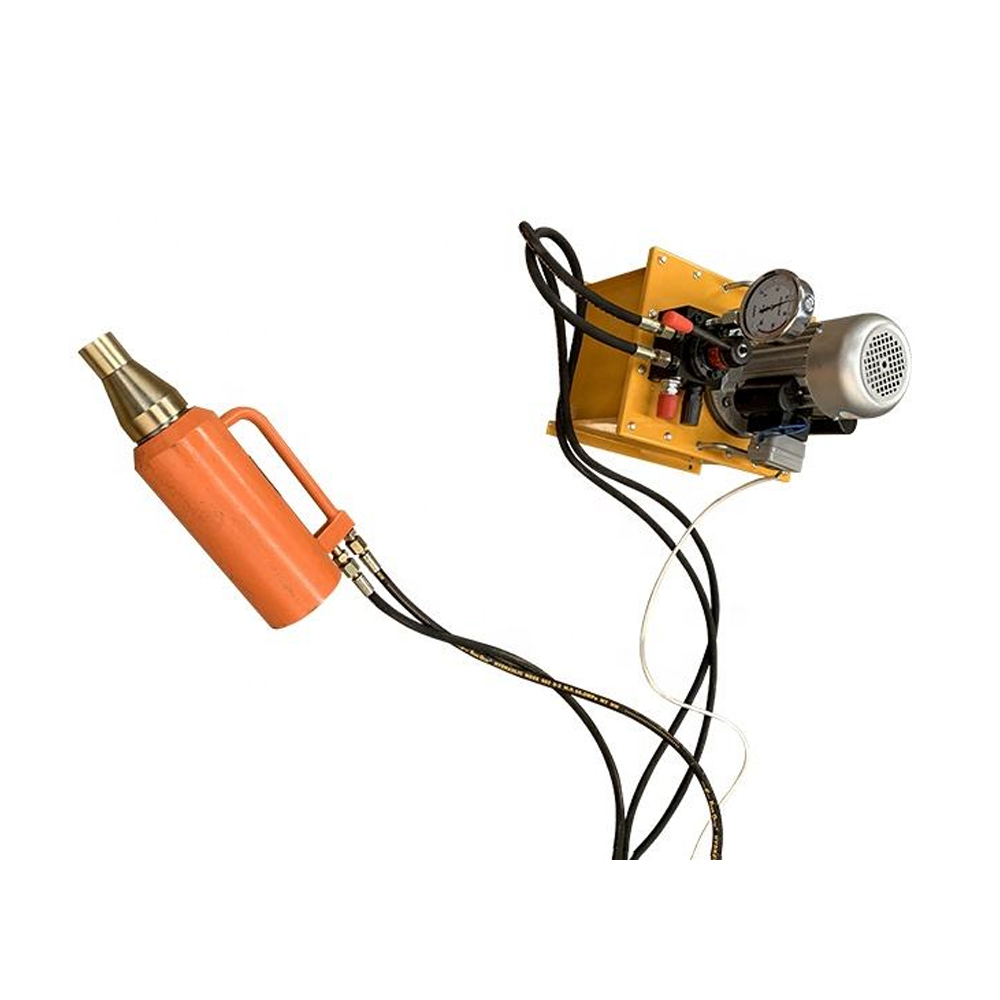 Equipment
Electric Hydraulic Pump Station for Post Tension
Professional Hydraulic Pump Manufacturer
View details06 — Others
Others
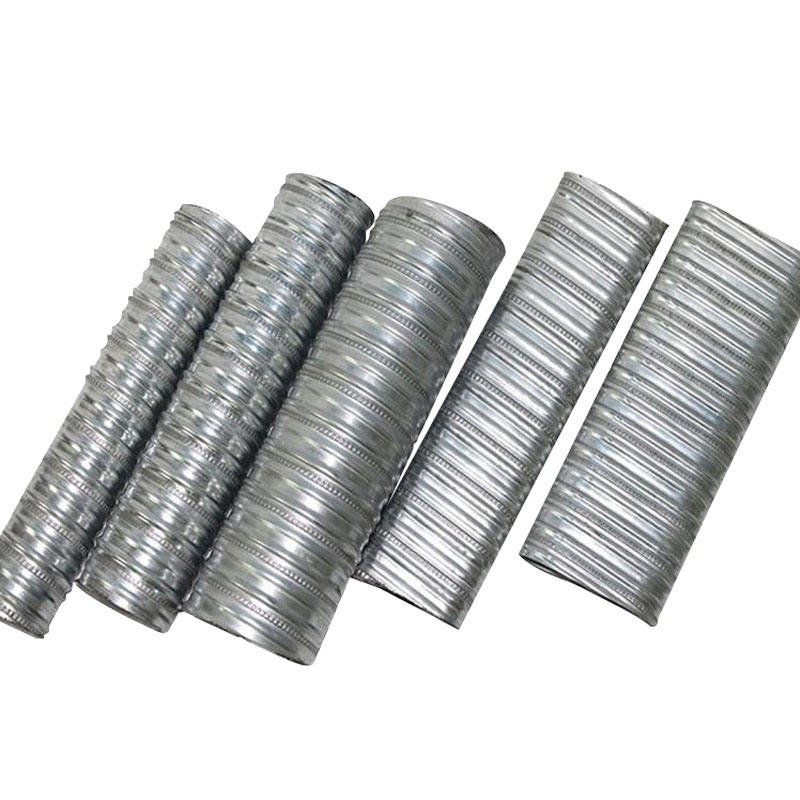 Others
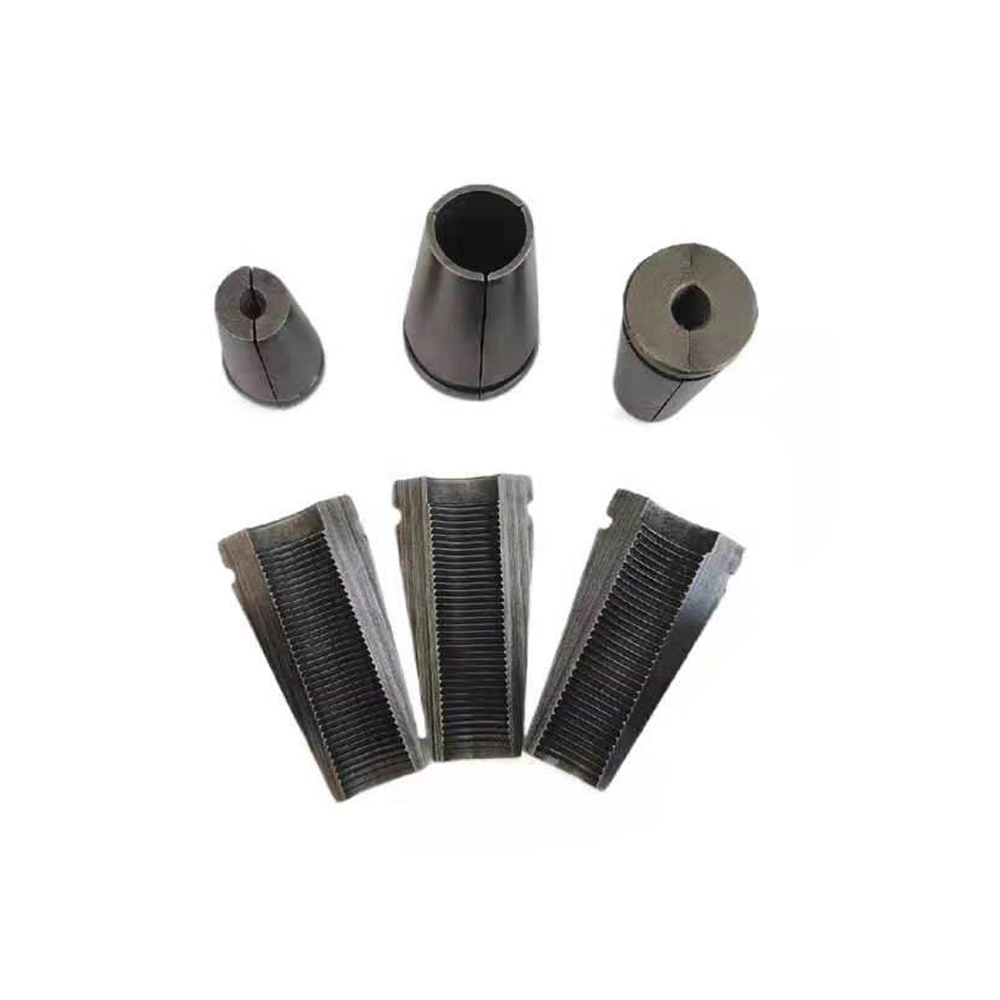 Others
Post Tension Wedges for Prestressing Anchorage
High Strength Anchorage Wedge Manufacturer
View detailsBuyer guide
How to specify prestressed steel strand
Use these practical checks before sending a PC strand or post-tensioning inquiry. Final selection must follow the project engineer's drawings, the specified standard, and the anchorage supplier's compatibility requirements.
01 — Definition
What is low-relaxation PC strand?
Low-relaxation prestressed concrete strand is a seven-wire high-strength steel product used to introduce a controlled compressive force into concrete. The strand is tensioned with compatible anchorage and stressing equipment, then protected according to the project system. Buyers normally specify the nominal diameter, grade, relaxation class, applicable standard, coil or cut-length format, and inspection documents. ASTM A416, BS 5896, EN 10138, AS/NZS 4672, and IS 14268 may apply to different markets or projects; the correct standard is the one written in the approved specification. Ask for the product data sheet and test-report scope before purchase rather than relying on a generic “PC strand” description.
02 — Diameter
How do I choose 9.53, 12.7, or 15.24 mm?
Diameter selection is a design and system decision, not simply a preference for a larger strand. Start with the engineer's required prestressing force, the strand quantity in each tendon, the approved anchorage and wedge dimensions, duct or sheathing clearance, and the stressing jack capacity. Global Overseas lists 9.53 mm, 12.7 mm, and 15.24 mm PC strand options so buyers can match common project schedules and regional specifications. When requesting a quotation, include the exact nominal diameter, standard and grade, low-relaxation requirement, coil weight or cut length, quantity, packing method, and destination port. The supplier can then confirm compatibility and prepare a more useful commercial offer.
03 — Procurement
What should an EPC RFQ include?
A complete RFQ helps the export team answer quickly and reduces specification changes after the order. Include the project country and delivery port, product name, nominal diameter, applicable standard, grade, low-relaxation class, required quantity, coil or straight-length format, packaging instructions, target delivery window, and any approved-vendor or inspection requirements. If the order is for a post-tensioning system, also list the anchor type, wedge or jack interface, duct type, drawings, and whether third-party inspection is required. Attach the relevant technical schedule or marked-up drawing when possible. For a tailored quotation, send these details through the contact form and keep the product name in the inquiry subject.
Need a specification check before you quote?
Send your drawings and standard — our engineers will confirm compatibility and lead time.